
Keep Your Job Site Clear and Efficient
Culvert Installations in Atoka for driveways and access points where water must pass beneath roads without flooding or washing out surfaces
Bunnells Construction Services installs culverts that manage water flow across driveways, access roads, and property boundaries throughout Atoka, Tennessee. When runoff from rain or seasonal drainage crosses your driveway or entry point, water must pass through rather than over the surface to prevent erosion, flooding, and damage to gravel or pavement. A culvert provides a controlled pathway beneath the roadbed, allowing water to continue its natural course while keeping the driving surface intact and preventing washouts that make access impassable during storms.
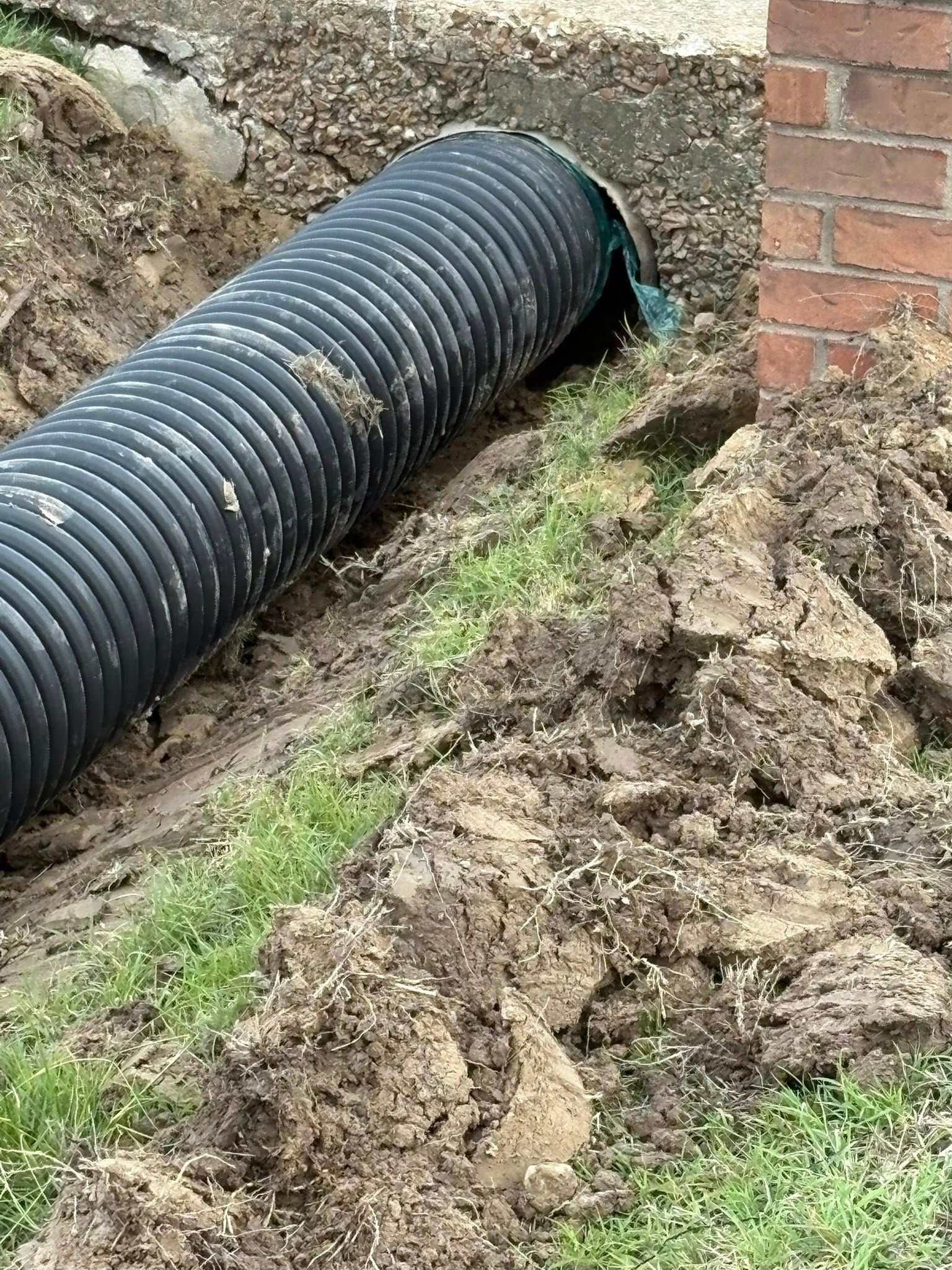
Culvert installation involves excavating a trench across the driveway or access point, placing a pipe sized to handle expected water volume, and backfilling with compacted material that supports vehicle weight without collapsing the pipe. The culvert is positioned at the correct slope to maintain water velocity, preventing sediment buildup inside the pipe while avoiding erosion at the outlet. In Atoka, where seasonal rains can produce rapid runoff, culverts are often integrated with grading and drainage plans that direct water away from structures and prevent pooling on low-lying properties.
If water crosses your driveway or erodes your access road during storms, contact Bunnells Construction Services to request culvert installation and evaluate drainage solutions.
20+ Years Of Experience
What Culvert Installation Involves
You'll see excavation equipment dig a trench across the driveway or roadbed, with depth and width determined by the pipe diameter and the volume of water the culvert must carry. Corrugated metal or high-density plastic pipe is placed in the trench, positioned to match the natural flow direction and slope of the surrounding terrain. Backfill material is added in layers and compacted around and above the pipe, preventing voids that would allow the road surface to sag or collapse under traffic.
After Bunnells Construction Services completes the culvert installation, you'll notice water flowing beneath the driveway during rains rather than washing across the surface or pooling at the entrance. Gravel or pavement above the culvert will remain stable and level, and erosion channels that previously formed on either side of the road will stop expanding. The driving surface will stay passable in wet weather, and runoff will exit the culvert at a controlled location downstream without scouring soil or undermining adjacent structures.
The work includes excavation, pipe placement, and backfill compaction, but does not include paving, headwall construction, or extensive drainage system design beyond the immediate culvert location. If your property requires multiple culverts, detention ponds, or engineered stormwater management, those elements are planned separately based on overall site grading and hydrology. Culvert size and placement are determined by water flow observations and existing drainage patterns rather than assumptions.
Questions Property Owners Ask About Culverts
Homeowners and landowners often ask about sizing, materials, and how culverts hold up under traffic and weather conditions.
What size culvert do you need for a residential driveway?
Pipe diameter typically ranges from twelve to twenty-four inches, depending on the width of the drainage channel and the peak flow rate observed during heavy rains in Atoka.
How deep is the culvert buried?
Depth depends on the driveway profile and the required slope for water flow, but the top of the pipe usually sits at least twelve inches below the finished road surface to provide adequate cover for vehicle loads.
When should you install a culvert on your property?
You need one when water naturally flows across your driveway or access road, creating ruts, washouts, or impassable conditions during storms, or when local regulations require it for new driveways crossing drainage easements.
Why does compaction around the pipe matter?
Properly compacted backfill prevents the soil from settling and leaving voids that allow the road surface to crack, sag, or collapse when vehicles drive over the culvert.
What material is best for culverts?
Corrugated metal pipe resists crushing under heavy loads and lasts decades, while plastic pipe is lighter and easier to handle, with material choice depending on soil conditions, load requirements, and budget.
Bunnells Construction Services installs culverts for rural properties, new driveways, and land management projects across Atoka. Get in touch to discuss your drainage concerns and schedule a site visit to assess water flow patterns.